


Nearly six months after its launch, the IRIS-XR consortium met in Brussels for its first General Assembly to discuss the progress of its research, the technical challenges of integrating these components into a single XR platform and agreed on the next steps towards developing and testing more responsive, visually immersive and energy-efficient XR solutions.
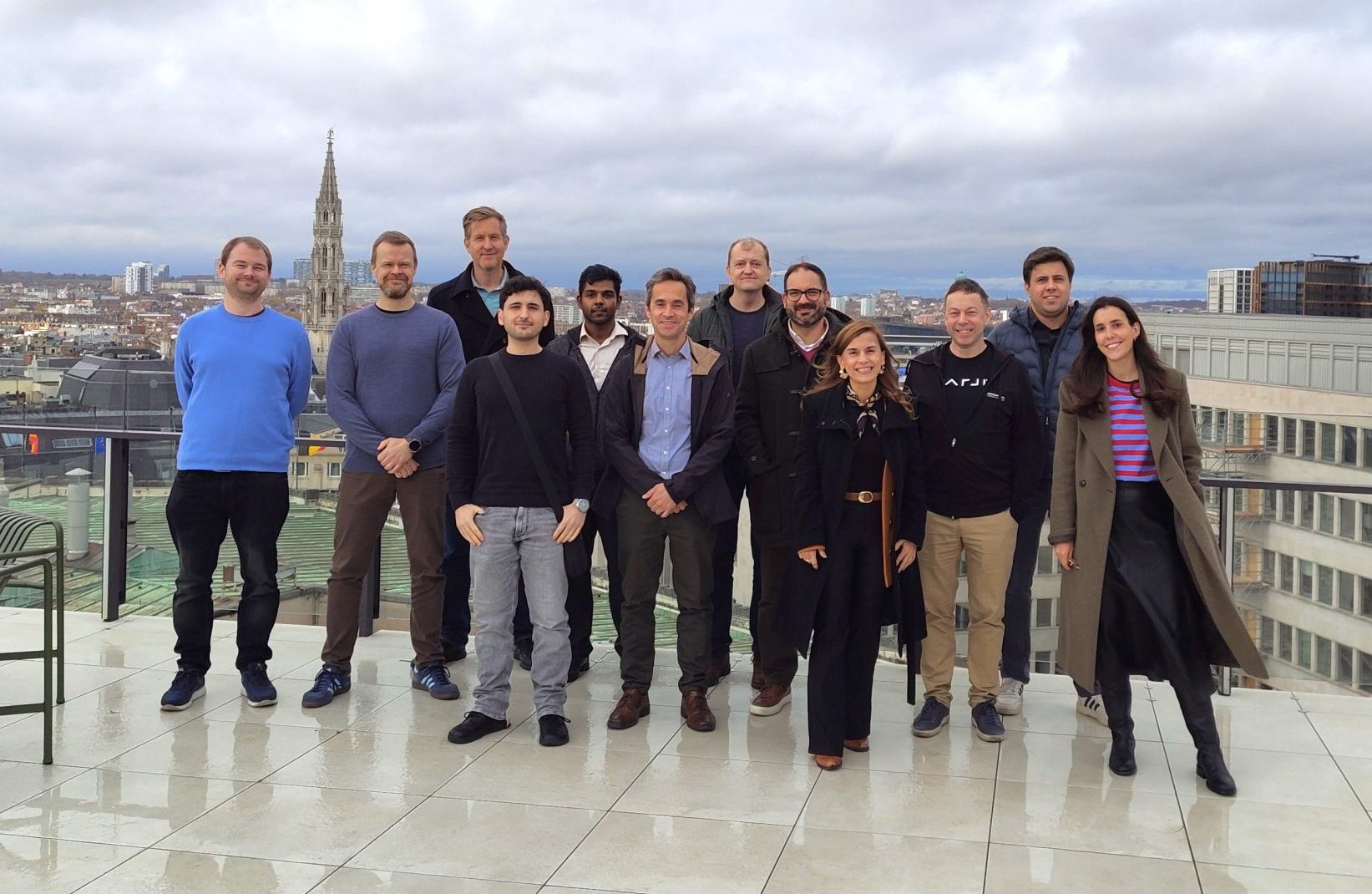
Extended Reality has enormous potential to change how people learn, work and interact with digital environments. Yet, despite significant technological advances, current XR devices still face limitations in visual quality, energy consumption, comfort and responsiveness. Addressing these challenges is at the heart of IRIS-XR, a Horizon Europe project coordinated by the German Research Center for Artificial Intelligence (DFKI).
Connecting hardware, software and human interaction
The first General Assembly provided an opportunity to consider the project’s individual technological developments within the wider XR ecosystem.
IRIS-XR’s research focuses on several interconnected areas, including advanced display technologies, embedded eye-tracking, event-based sensing and AI-powered multimodal interaction. Combining these technologies within a single platform is essential to achieving more natural, intuitive and energy-efficient immersive experiences.
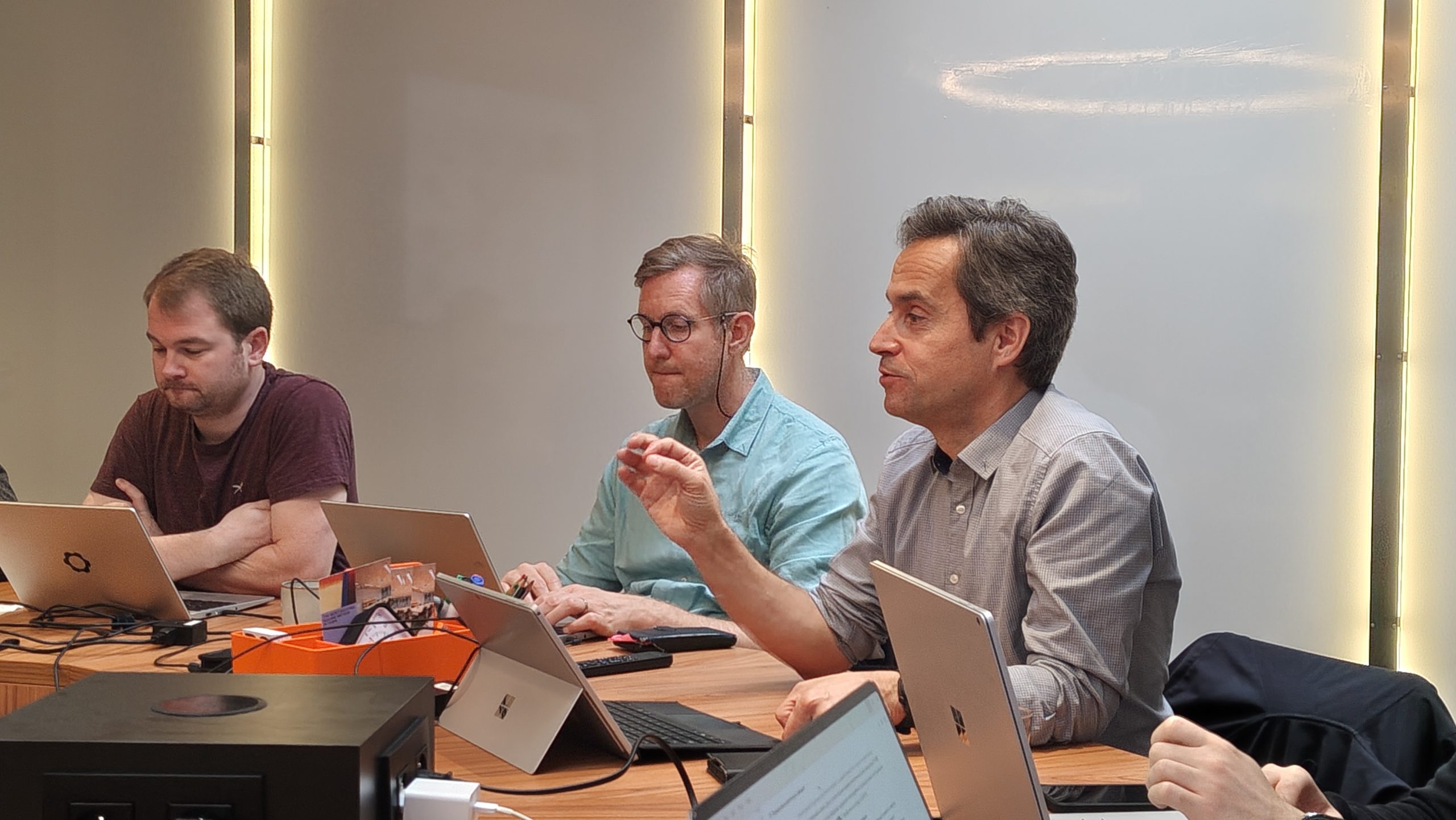
Rather than treating hardware and software as separate elements, IRIS-XR aims to develop an integrated solution in which visual performance, sensing capabilities and intelligent interaction complement one another.
Putting XR technology into practice
The true value of technological innovation lies in its practical applications. IRIS-XR will validate its solutions across three domains:
- Healthcare: supporting more intuitive and adaptive therapeutic experiences.
- Aviation: enhancing flight simulation and immersive training.
- Automotive: improving virtual design reviews and engineering processes.
Each application introduces different requirements, making usability, ergonomics and responsiveness essential considerations throughout the development process.
Keeping people at the centre of XR innovation
Beyond technical performance, IRIS-XR places particular emphasis on understanding how people experience immersive environments.
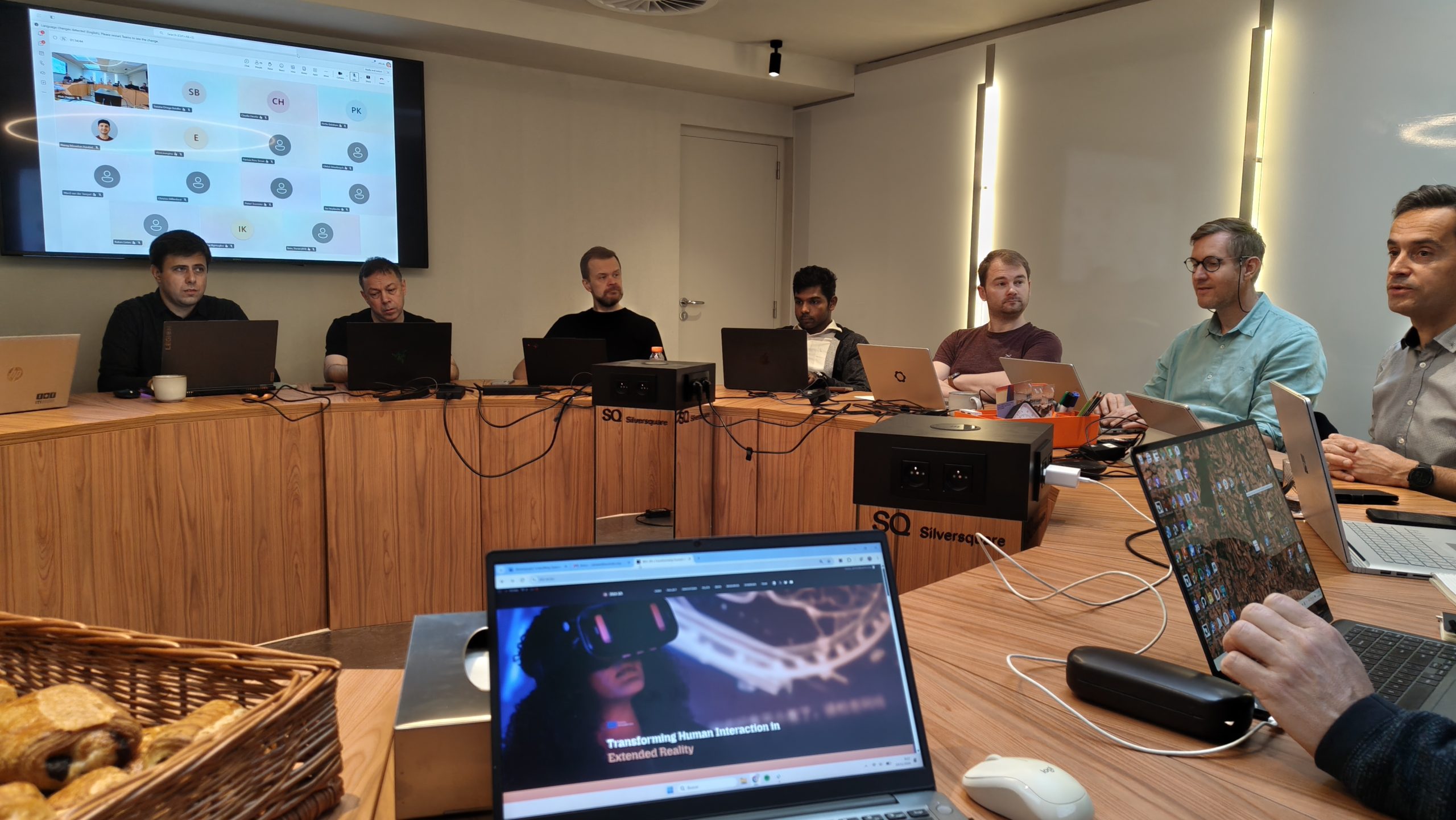
Developing XR systems that respond to users’ physical and cognitive needs requires careful consideration of accessibility, comfort, privacy and ethical aspects. These principles will guide both technology development and its subsequent evaluation.
The road ahead
The first General Assembly marked an important milestone in the project’s journey towards technology development, integration and validation.
The coming months will be dedicated to translating research objectives into tangible technological components, exploring their integration and preparing for future testing.
Through close collaboration between research institutions, technology developers and industrial partners, IRIS-XR contributes to Europe’s ambition to develop more sustainable, reliable and human-centred immersive technologies.
Join our journey!
Subscribe to our newsletter and follow us on LinkedIn, BlueSky, YouTube and X to keep up to date!